Lead designer on Taiwan's first BR31 membership app · Cross-market Japan HQ alignment · Shipped in 3 months
- Timeline
- 3 months
- Zero to App Store
- Requirements, Japan HQ sign-off, build-ready UI kit, and store UAT — all within 90 days.
- Reference benchmark
- 10M+
- Japan 31Club members
- Japan's 31Club launched in 2014; member purchases account for 40%+ of total sales — the loyalty loop this app needed to replicate for Taiwan.
- Cross-market
- JP × TW
- Japan HQ alignment
- Interpreter-supported design reviews with documented divergence rationale — HQ sign-off secured before engineering started.
- Shipped
- Sept 2025
- Taiwan App Store launch
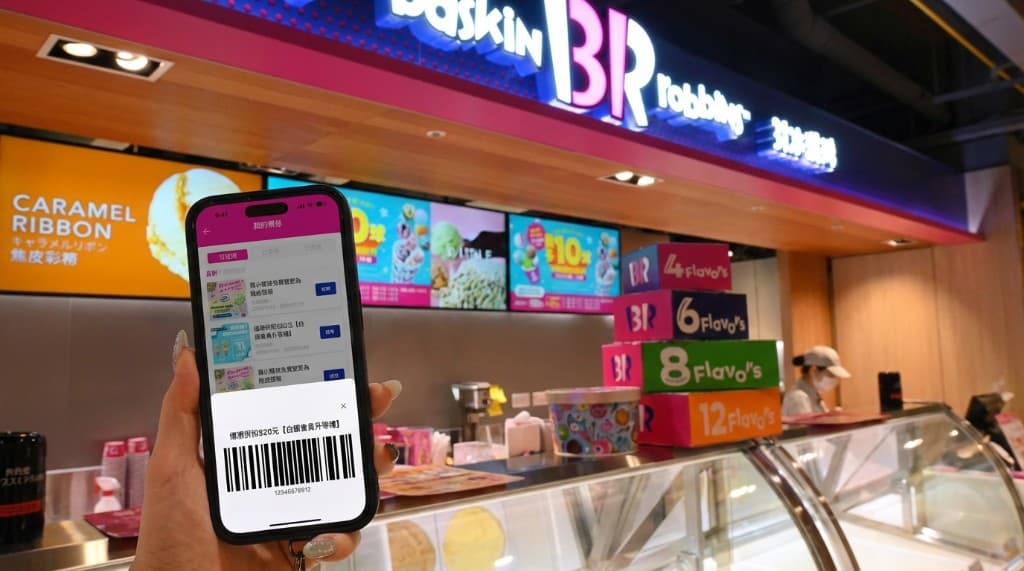
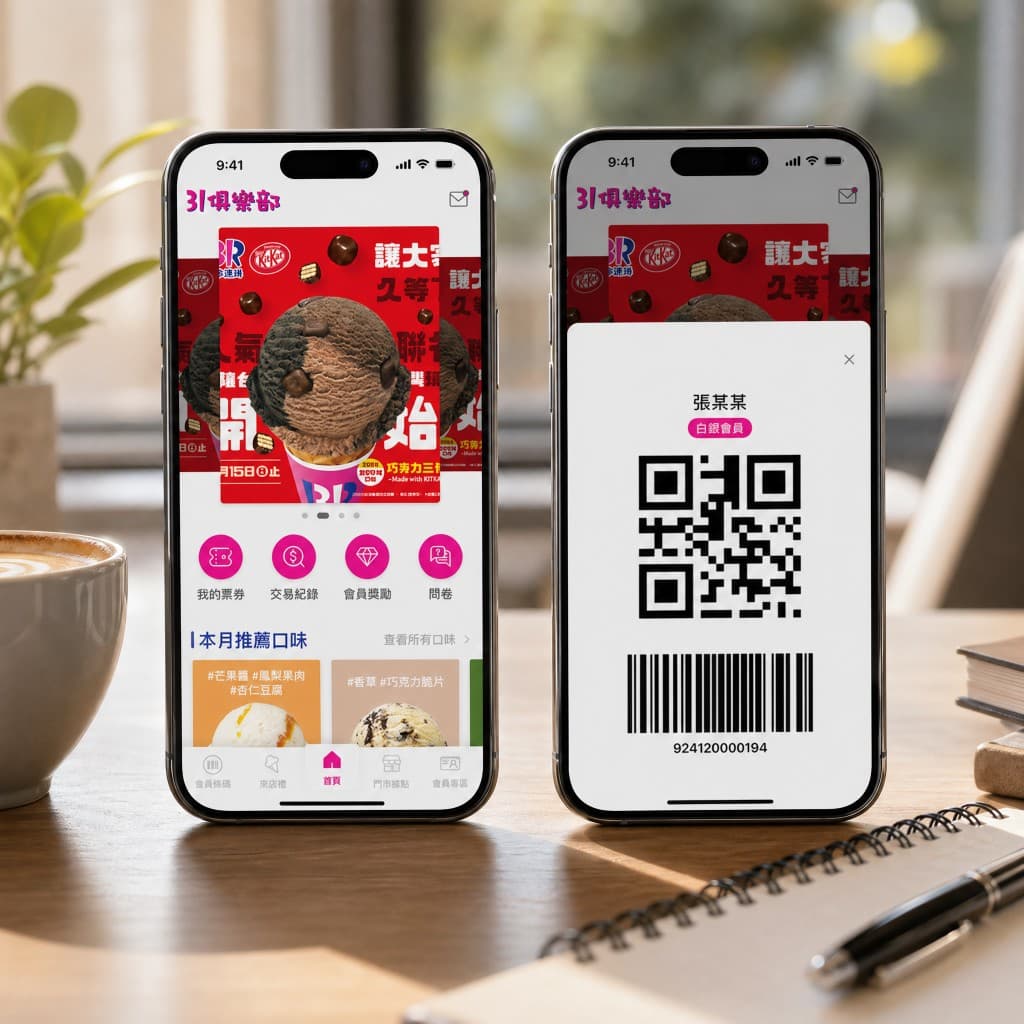
- Taiwan's first BR31 membership app, live on the App Store with POS barcode integration validated through pre-launch UAT.
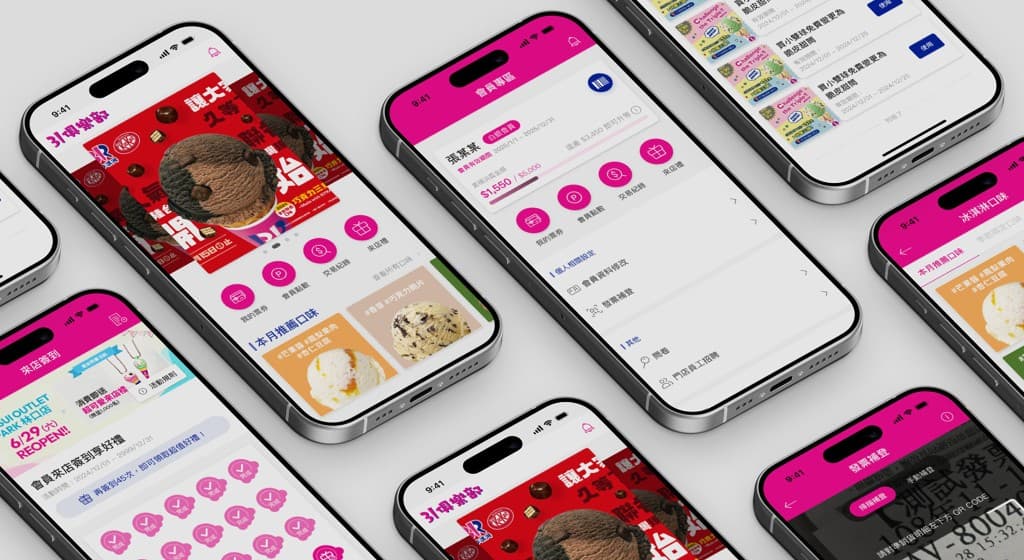
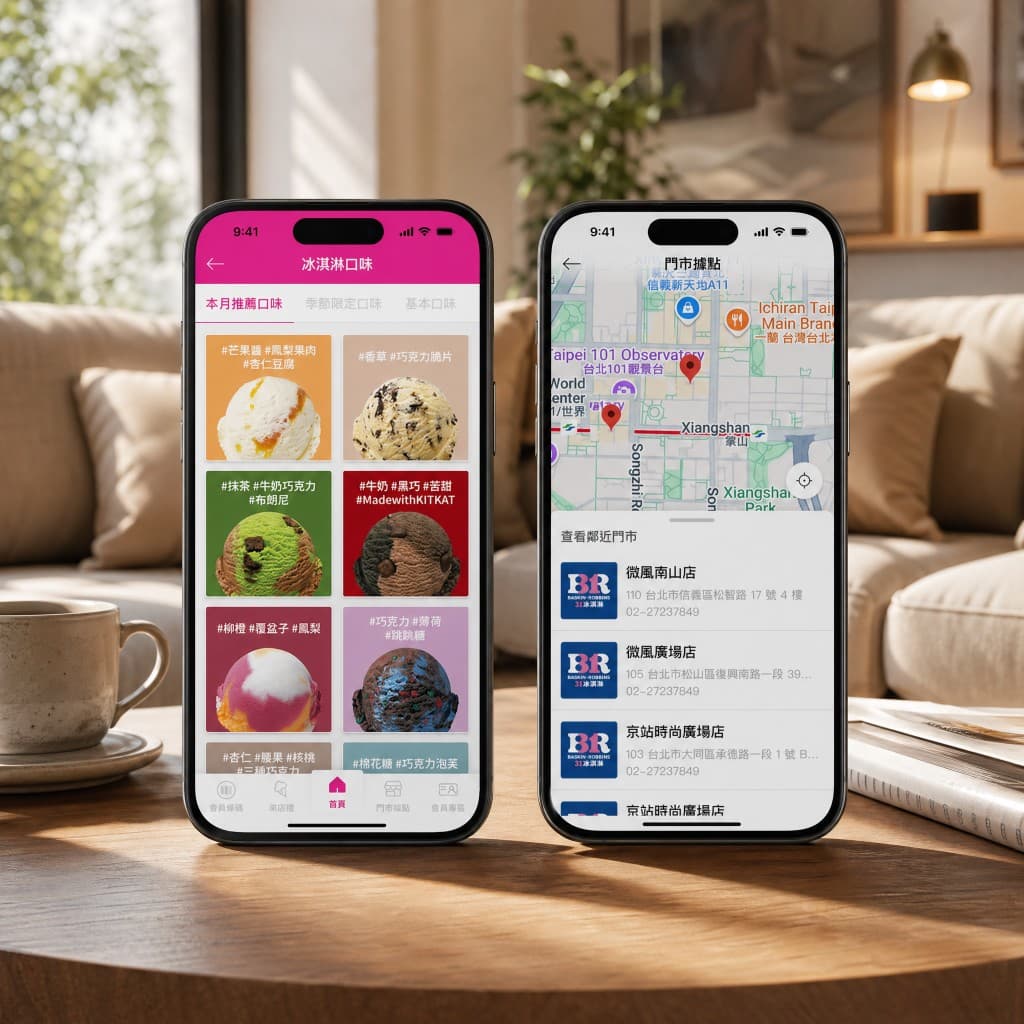
Japan's BR31 had a thriving membership app. Taiwan had nothing.
Japan's 31Club launched in 2014 and grew to over 10 million members by 2025. Member purchases now account for more than 40% of total sales — proof that the loyalty loop directly drives revenue. BR31 Taiwan had no app while competitors were already running loyalty programs on mobile. There was no dedicated digital rewards surface—no way to turn a one-time scoop buyer into a repeat member.
I was brought in to close that gap — design Taiwan's first BR31 membership app from zero, aligned with Japan HQ, shipped in 3 months.
Where Japan HQ patterns met Taiwan usage—and what we negotiated
Japan's 31Club reference skews calm density, points-first loyalty, and a minimal white/pink shellbuilt for a market that has used the app for years. Taiwan launch skewed in-store urgency: barcode ready at the counter, faster scan paths, and promo surfaces parents expect from local QSR loyalty apps. The conflict wasn't “ignore HQ”—it was which layers had to stay globally legible (brand color, illustration tone, component vocabulary) versus which could flex for local CRM reality and retail rhythm. My trade-off was to keep parent-brand primitives and review gates while refusing a pixel-copy of Japan: IA, density, and tier storytelling were tuned for Taiwan first, with rationale documented for every divergence before interpreter-led HQ calls.
The decision that actually rewired the design direction—after alignment, not before—was loyalty mechanics: HQ's mental model centers on points and redemption, but Taiwan's phase-one backend was spend-based tiers without point burn. Once engineering and client confirmed that gap in workshops, we stopped designing “mini Japan” flows and reframed the MVP around spend progress, tier unlocks, and voucher redemption—then chose the sweeter, more campaign-forward visual direction (A) because it matched how Taiwan needed to merchandise benefits, while direction B (closer to Japan's quieter white shell) would have under-communicated value in a market still learning the program.
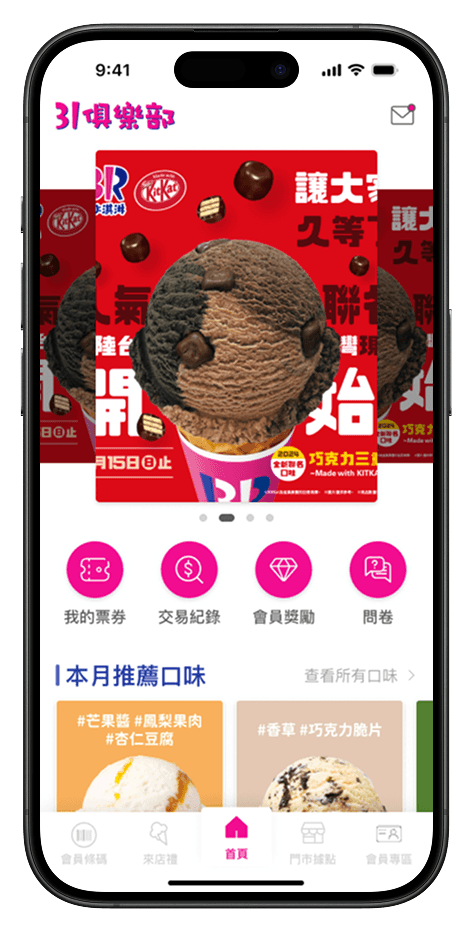
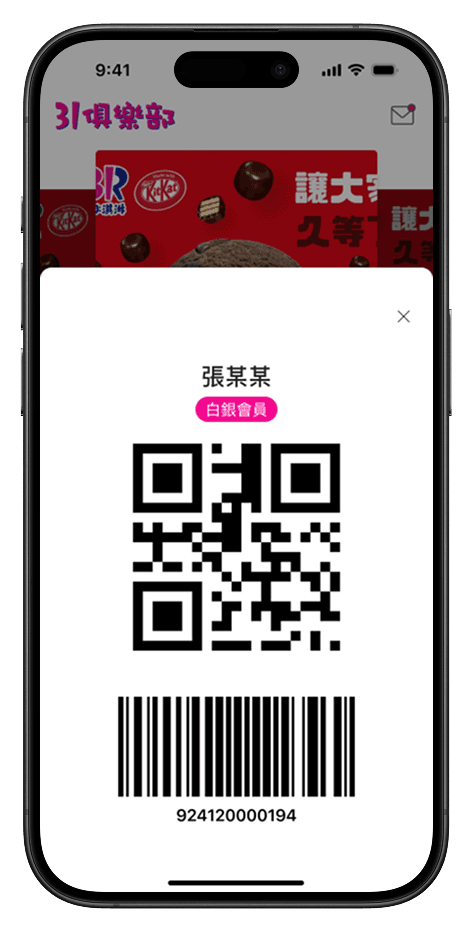
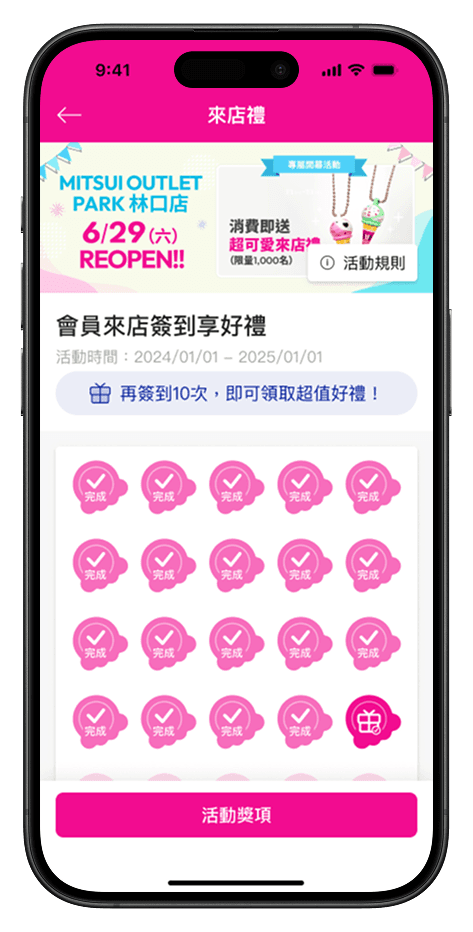
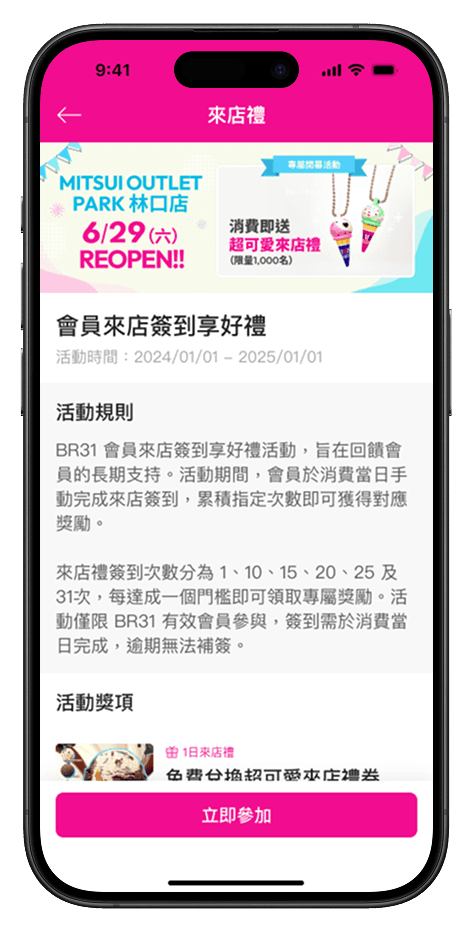
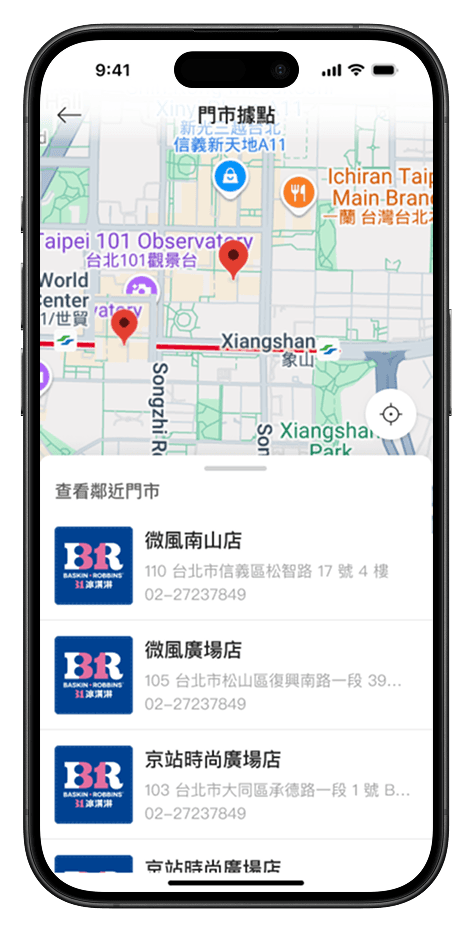
App Store
User feedback
Excerpts from Taiwan App Store reviews (all ratings are 5 stars).
Highly recommended
2025/12/29
Bo-Ting Kuo
Love the interface—updating details and checking perks feels very intuitive.
👍
2025/12/29
Daniel123
The Traditional Chinese UI feels familiar; the type size and layout are easy on the eyes.
So convenient
2025/12/29
Anikitsai
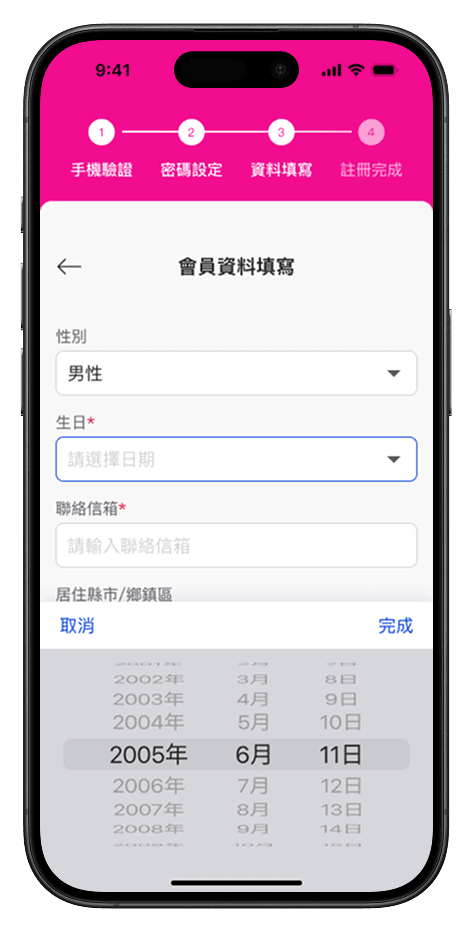
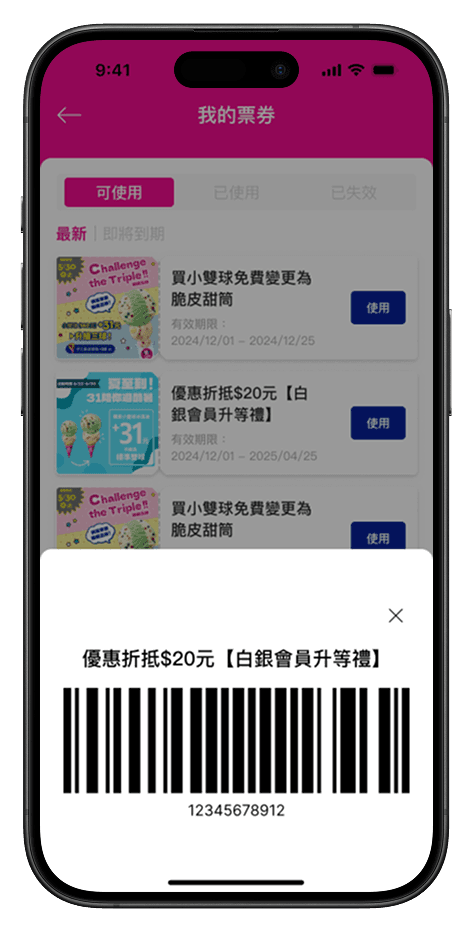
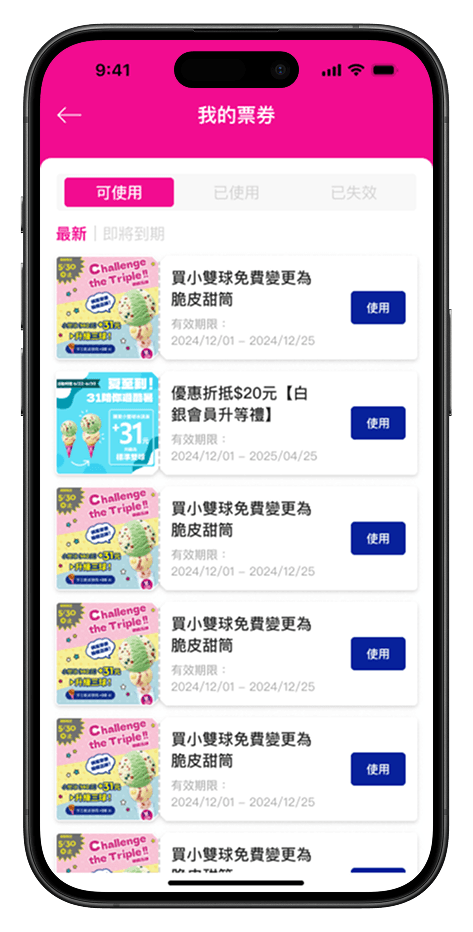
Signing up is simple, and I can manage my offers right away—very convenient.
Great
2025/12/29
user-kkyy-889
The new system runs smoothly; scrolling and swiping feel great.
Great
2025/12/29
PrettyMonster
Information lookup is comprehensive—I can find the details I need.
Product info is thorough—cakes and drinks are all clearly described
2025/12/29
sp98383120
Product info is thorough—cakes and drinks are all clearly described.
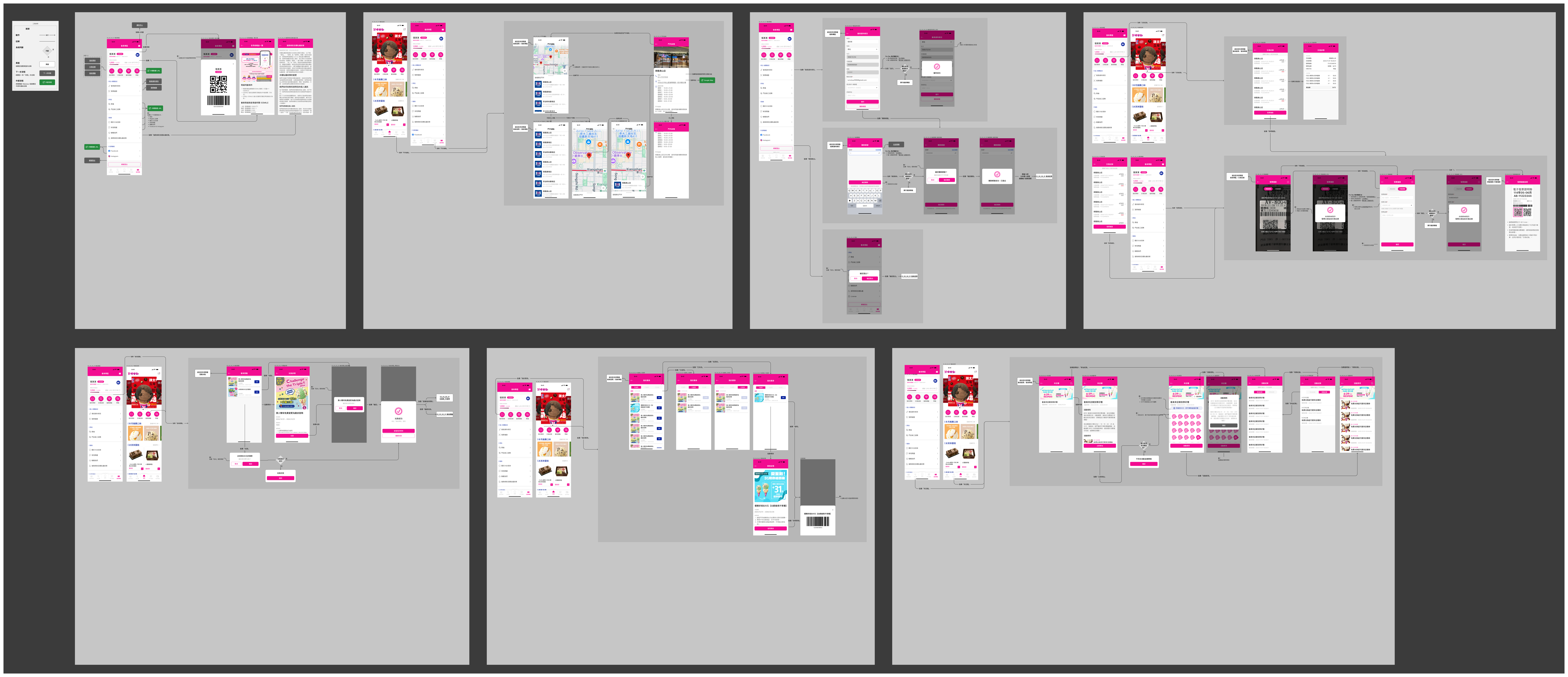
Due to a tight timeline for a Baskin Robbins mobile app project, I opted to expedite the process by skipping the stage of creating a sitemap and functional map. Instead, I used Excel to discuss the main features and layout using page flow, which I had already created during the wireframe stage.